
“Fundamentally, we share the same objective as the Coalition”
What are you doing to help Belgium’s cybersecurity sector expand internationally?
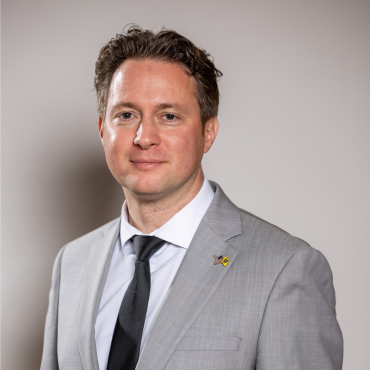
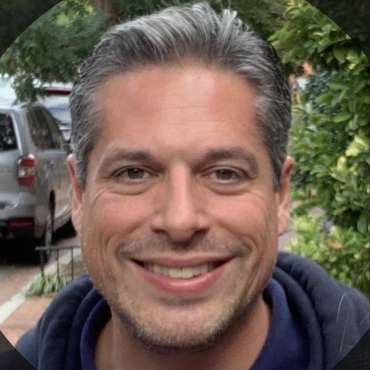
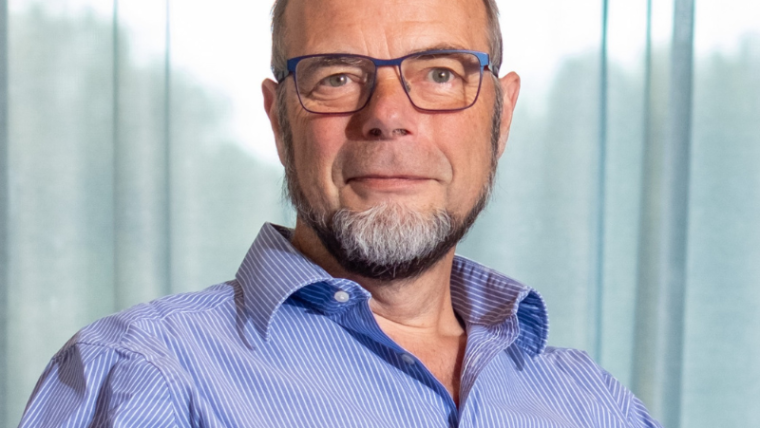
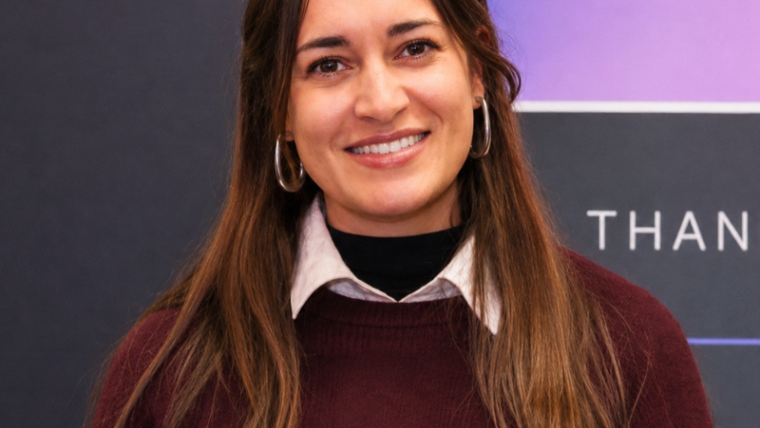
Sohier: At FIT, we tailor our approach to the different sectors and segments in the Flemish economic landscape, including cybersecurity. We’ve been doing this long before awareness around cyber broke through into the mainstream media. One concrete activity is participating in international conferences, such as the RSAC Conference in San Francisco. We bring the entire ecosystem together at one stand— from small start-ups to major players — to create an ideal platform for promotion. Aikido Security, for example, spent three years as a start-up at our stand, before growing to the point where it now has its own, much larger stand. We also involve academics, whose reputations and recognition lend additional credibility.
Vanpaesschen: For the Walloon government, cybersecurity is an absolute priority, and one of the three focus sectors at AWEX. We also take an active role at international trade fairs, such as the INCYBER Europe Forum in Lille and the European Cyber Week in Rennes. We are now clearly reaping the rewards of this multi-year strategy. There is a distinctly positive climate across the wider sector today, with momentum being further fuelled by the current growth in defence. The war in Ukraine raised everyone’s awareness of just how important security and cybersecurity are for all of us, which has created opportunities for those active in the sector.
How are you working to attract foreign companies to Belgium?
Vanpaesschen: That, too, begins with the awareness that cybersecurity is highly important for our country and that we hold significant assets in this field. For example, the Cyber Valley in Redu, where the Walloon government is investing heavily in the development of a state-of-the-art centre of excellence, building on the local presence of the ESA centre for cybersecurity. In doing so, we hope to create even tighter links between the space sector, which has a strong presence in Wallonia, and the cybersecurity sector.
Sohier: We are also rolling out the red carpet for international players who want to invest in Belgium. Belgium’s international position works to our advantage: the figures show that we have a larger market than one might expect from a medium-sized country. It’s a strong argument, especially for players from the United States, and is particularly driven by the availability of talent. Where talent is present, large companies will often adapt their strategy accordingly. In Flanders and Belgium, that is clearly the case.
Vanpaesschen: We communicate widely on that, as well. For instance, we are organising a cybersecurity sector event for Wallonia during the next Formula 1 race at Spa-Francorchamps. This type of initiative is complementary to our presence at international events and missions; we receive excellent feedback from participants on the high level of expertise we have and the many success stories we can present.
Sohier: Successful growth stories from the cyber world are compelling, which is why telling them has a real impact. For example, highlighting the fact that the Starbucks app is secured worldwide by a company from Leuven helps showcase Belgium and Flanders internationally. The same applies to Belgian talent working abroad in key positions at leading companies. These stories are assets that should not be underestimated.
Does it help that the ecosystem is so well connected?
Sohier: Absolutely: it creates a coherent story. And the way the ecosystem has been built, and functions today is, in itself, a success story, especially when you look at employment figures. In many other technology sectors, the impact is less tangible and harder to demonstrate.
Vanpaesschen: As a government entity, we need to continue investing in the sector and its interconnectedness. Through our CyberWal initiative, which is part of DigitalWallonia, we aim to bring as many actors as possible around the same table, to ensure that Walloon businesses and their partners can make full use of the tools and platforms available.
How can we ensure that Belgium maintains its pioneering position?
Sohier: I find it very positive that spin-offs are emerging from the academic world, through academics who consciously take on the role of entrepreneur in order to further accelerate the ecosystem. This helps ensure we keep our finger on the pulse of new developments, such as cryptography, which will be increasingly important in the years ahead. With this foundation, I see no reason for Belgium or Flanders to lose their leading position. In fact, I think that we still underestimate somewhat the true strength of the ecosystem. The role of government in this, which depends heavily on the allocated budgets, should not be overlooked either.
Vanpaesschen: The fact that we can rely on excellent universities that give us access to well-trained talent remains one of our greatest assets. By highlighting the sector and its relevance, we aim to encourage young people to pursue opportunities in it, creating a win-win situation for the talent and the ecosystem.
In that context, why is it interesting for you to be a member of the Coalition?
Vanpaesschen: Fundamentally, we share the same objective as the Coalition. We are both here to promote and support Belgium’s strengths in cyber. While the ecosystem has evolved enormously in recent years, this has long been our objective: one that reflects a clear political will.
Sohier: As a public entity, we naturally work together with many different cluster organisations. So, it is a logical extension of our ongoing activities. Many of the companies for which we organise initiatives are also members of the Coalition. Our participation fits very effectively within the culture of collaboration and coherence that is crucial to the sector’s success.