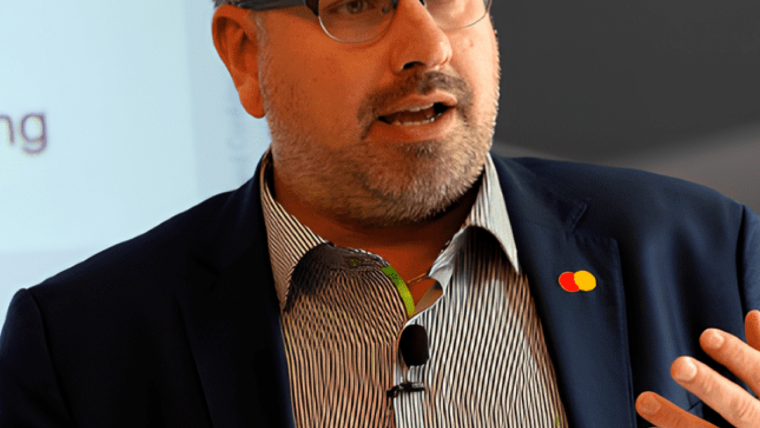


“For us, it’s an invaluable way to stay closely connected to what the field is really struggling with”
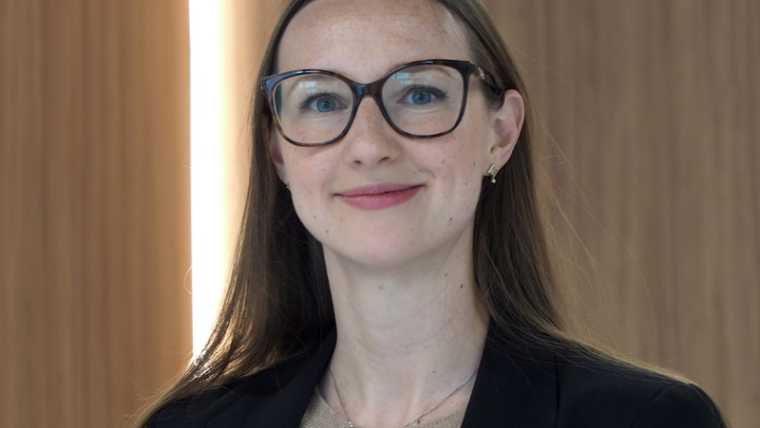
“I originally come from an academic background: until a few years ago, I was a researcher at KU Leuven. While it was a fascinating experience, I felt a growing personal need to create more concrete impact through my work. This ultimately motivated my move to industry,” Wuyts explains. “That doesn’t mean I didn’t have any connection with practice before. My research was always highly pragmatic and hands-on, and it is still actively applied in the field today. For example, LINDDUN, a privacy threat modelling framework I helped develop at KU Leuven, is widely used in the industry.”
Given the Coalition’s aim to strengthen connections between academia, the public sector and private industry, its link with Wuyts’ story comes naturally. “In fact, this was one of the factors that inspired me to make the change two and a half years ago,” she says. “Since then, my personal belief in the added value of the network and the ecosystem that grows from it has only strengthened. For us, it’s an extremely useful way to stay close to what the field is actually dealing with.”
PwC, a global player with a strong presence in Belgium and a long-standing member of the Coalition, supports its clients across a broad spectrum of cybersecurity topics: from general security, privacy, resilience, Cyber GRC, to business continuity and crisis management. “To provide highly specialised support across all these domains, we rely on the expertise of the different members of our team. My own focus is mainly on application security and privacy,” she continues.
“This approach means we have to stay as attuned as possible to what is happening in those subdomains. Network organisations, and more specifically the Coalition’s focus groups, are a very valuable instrument for doing so,” Wuyts notes. Within these areas of specialisation — including security for AI and AI for security, and greater digital sovereignty in Europe — she sees the regulatory framework as a key driver of progress today. “NIS2, the AI Act, and the Cyber Resilience Act (CRA) are central topics, because they serve as powerful triggers to raise organisations’ and products’ cyber maturity. They also expose weaknesses in how organisations operate, and that’s where we aim to provide support.”
“This support ranges from strategic guidance to highly concrete challenges such as access control or data minimisation,” Wuyts continues, noting that 2026 already looks set to be an intense year. “Given the speed of the AI revolution, which is amplifying many existing cyber challenges, the future remains difficult to predict. What is certain, however, is that we want to continue offering the most concrete advice and training possible. The goal is to prepare Europe for large-scale intentional and unintentional calamities,” she concludes.